Word mapping is a very powerful tool for beginning readers and writers, and building a strong foundation in phoneme-grapheme connections is so important in helping students become confident, fluent readers.
And I bet you are already doing some or all of the essential things to help your students become expert word mappers! Orthographic mapping doesn’t need to be complicated. You just need some simple routines and meaningful activities for your word mapping to be both effective and engaging.
What Is Orthographic Mapping?
Orthographic mapping is the process our brains use to store words for immediate retrieval. It happens when our brains connect and store a word’s phonemes or sounds with its graphemes or spellings. It’s how students move from sounding out c‑a‑t to recognizing cat automatically. When we teach students to connect each sound (phoneme) in a word to its written form (grapheme), we are helping them “map” the word in their memory.
For example, the word ship has three sounds: /sh/ /i/ /p/. Students segment the sounds, link them to their spellings, and then write the complete word. When this process is repeated with intention and consistency, students begin to recognize and spell words more easily—because they’ve been mapped to memory.
Step-by-Step: How to Teach Word Mapping
- Say the Word Aloud
Choose a word that matches your phonics focus, such as CVC, blends, or digraphs. Example: log. As taught in many phonics programs, I have my students use their first to pound the word as they say it. - Segment the Sounds
Students repeat the word and stretch out the sounds: /l/ /o/ /g/. My students are taught to tap out the sounds with their fingers, starting with a pinky tap and working in for each additional sound. - Map the Sounds to Letters
Using sound boxes or Elkonin boxes, students identify each phoneme and record the corresponding letter(s). We typically use the boxes on the first day we practice a phonics skill only. - Write the Word
Once they’ve mapped the sounds, students write the full word without visual cues. - Revisit and Review
Repeated exposure, spelling, and reading of the same word (and similar patterns) helps to cement the learning.
This process supports the Science of Reading by strengthening decoding and encoding skills through structured, explicit instruction.
You can spread these activities over a week, too! Sometimes my students do not write the words on the first day. Other times, we may skip the sound boxes and go straight into dictation words.
Tips for New and Veteran Teachers
| If You’re New to Word Mapping… | If You’re an Experienced Educator… |
|---|---|
| Start with 3–4 phonics words per week. | Group words by sound pattern for review. |
| Model mapping aloud daily. | Add challenge words for early finishers. |
| Keep your routines consistent: segment → map → spell → dictate. | Incorporate mapping into small-group or intervention lessons. |
Printable Word Mapping Template Tip
If you don’t already use one, try a simple printable template with 3–4 sound boxes and a line beneath for the full word. Some versions also include space for a dictation sentence.
I love this one, and you can grab it for free here!
Add Some Fun to Your Orthographic Mapping
My students love to be independent! And I love to give them the chance! Some of our orthographic mapping is done in small groups, others whole group!
In addition to the fun sound boxes above, my students love writing the words that they have been practicing on their “special paper” and showing off all the skills they have learned that week!
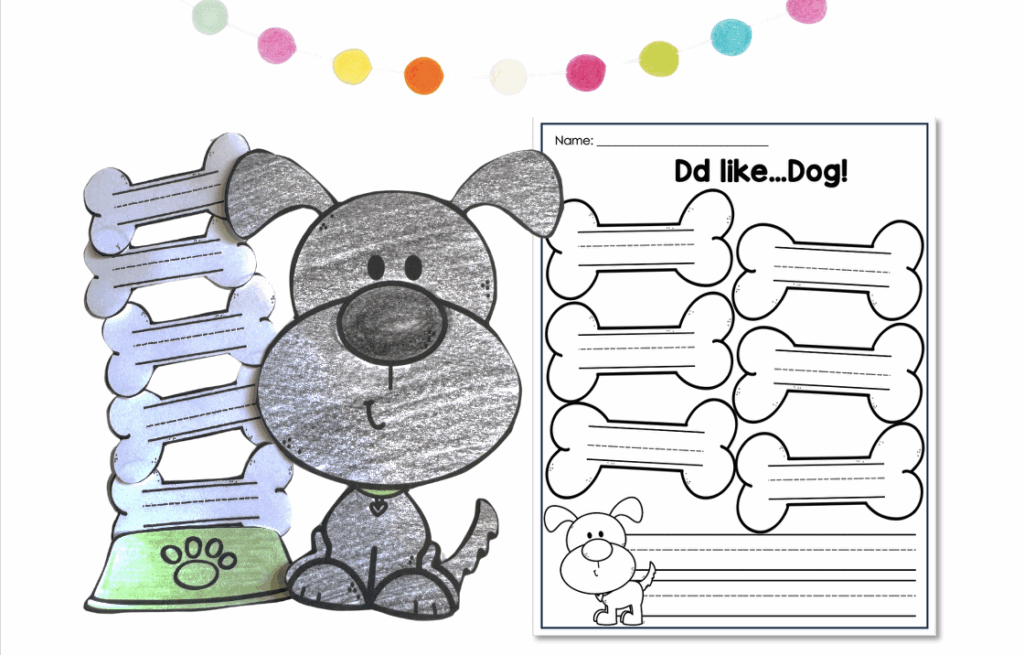
To add this fun, I use this Spelling Dictation Practice resource! designed to support this entire routine from start to finish.
You have got this!
Word mapping, paired with consistent dictation, builds strong, confident readers and writers. It’s not just about spelling practice—it’s about helping students develop the mental pathways that support fluency, automaticity, and comprehension.
By bringing these practices to life through engaging routines and creative displays, you’re not only teaching foundational literacy—you’re making it meaningful, memorable, and fun.
Looking to save time and bring structure to your phonics and spelling block? The Spelling Dictation Practice: Phonics Craft & Bulletin Board Display is a ready-to-go way to build decoding and encoding skills, while giving your students a chance to shine.

No Comments